
If you want to launch an online store in Saudi Arabia without building a website from scratch, Salla is one of the best-known regional platforms combining products, orders, payments, shipping, marketing, and reporting in one dashboard. This guide explains what Salla is, how to start, and which benefits and limitations to review before choosing a plan.
Quick answer: Salla is a Saudi SaaS ecommerce platform founded in Makkah in 2016. It is well suited to beginners and growing merchants who value Arabic-first design and regional payment and shipping connections. Because it is a hosted platform rather than open-source software, merchants should compare customization, integrations, and total operating cost before committing.
What is Salla?
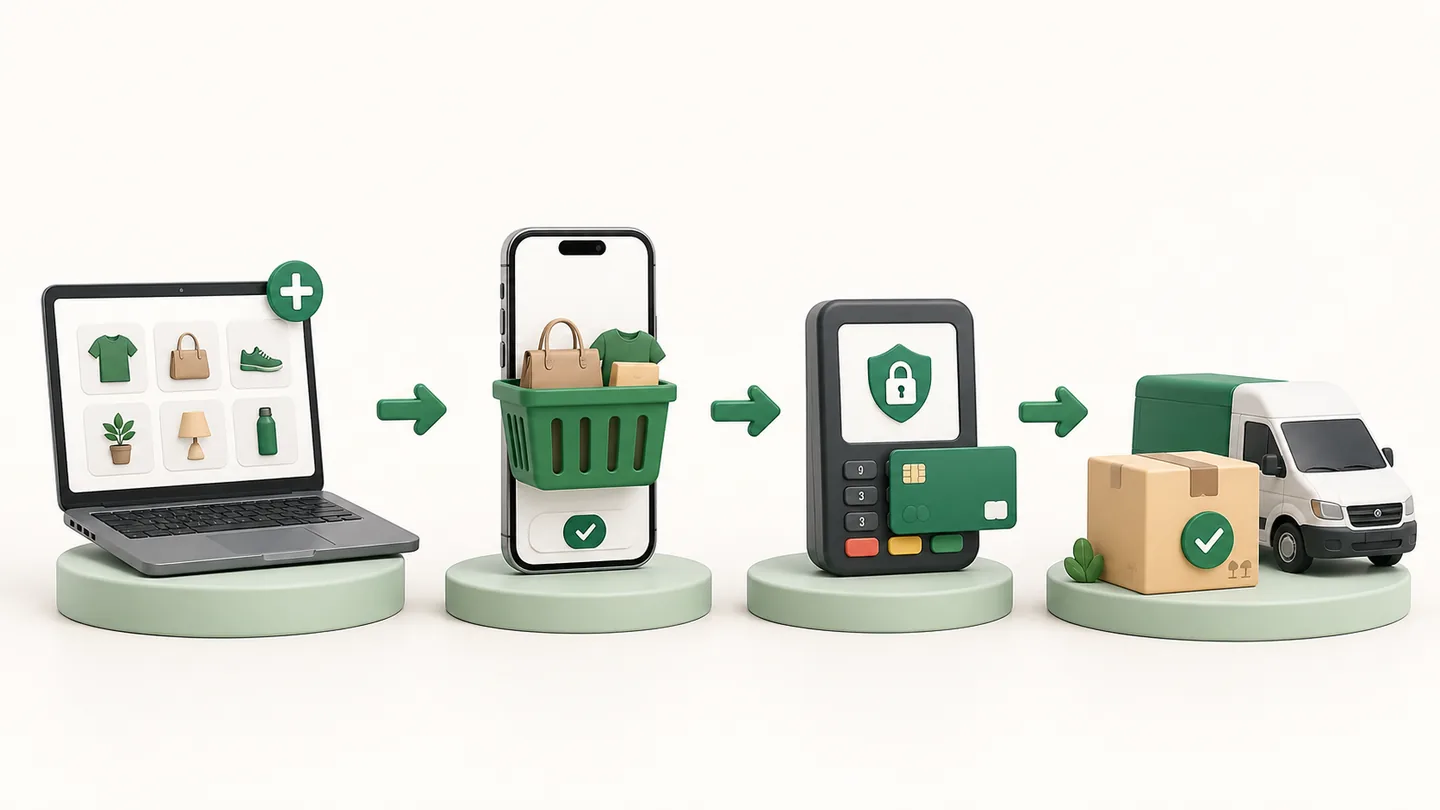
Salla is an online store builder and commerce management platform. A merchant can choose a theme, list products, manage inventory, accept orders, and connect supported payment and shipping services without coding the entire storefront. Salla’s official information reports more than 68,000 active stores across Saudi Arabia and the UAE, supported by a broad partner and app ecosystem.
The model is straightforward: Salla hosts and maintains the technical platform while the merchant controls the brand, catalog, pricing, policies, and customer service. Faster setup does not remove the merchant’s responsibility for product quality, tax and regulatory obligations, returns, privacy, or accurate customer information.
Who is Salla for?
- New entrepreneurs: test a selling idea without a long custom-development project.
- Small and medium retailers: manage products, stock, orders, and marketing in one place.
- Digital-product and service sellers: support models such as ebooks, courses, gift cards, and bookings when the required features are available.
- Growing brands: extend operations through suitable plans, apps, integrations, and enterprise services.
Key Salla features
1. No-code store setup
Salla provides themes and visual settings designed to help merchants launch a mobile-friendly storefront. You can adjust branding, essential pages, and a custom domain while the platform manages hosting and technical updates. A template does not guarantee strong conversion: clear navigation, original product photography, and useful descriptions still matter.
2. Product, inventory, and order management
The dashboard centralizes product details, pricing, stock, customers, and orders. Import, bulk update, and reporting tools can make a larger catalog easier to manage. Before launch, test out-of-stock behavior, product variants, cancellations, partial fulfillment, and returns so your operating process is clear.
3. Regional payment options
According to Salla, supported options include mada, Apple Pay, major cards, and available buy-now-pay-later services. Activation, fees, settlement timing, and eligibility can vary by plan, provider, country, and merchant verification status. Always check the current terms rather than relying on an old fee table.
4. Shipping and logistics connections
Salla connects merchants with local and international shipping partners and supports labels, delivery zones, tracking, and fulfillment workflows. Compare more than the headline shipping rate: coverage, delivery speed, extra-weight charges, returns, cash-on-delivery handling, and the customer’s tracking experience all affect the true cost.
5. Marketing and SEO tools
Merchants can create promotions, connect advertising and analytics channels, publish blog content, and configure search visibility. Turning on an SEO setting does not automatically rank a store in Google. Sustainable visibility requires original product pages, logical categories, accurate titles and descriptions, fast pages, trustworthy links, and content that answers real customer questions.
6. Analytics and reports
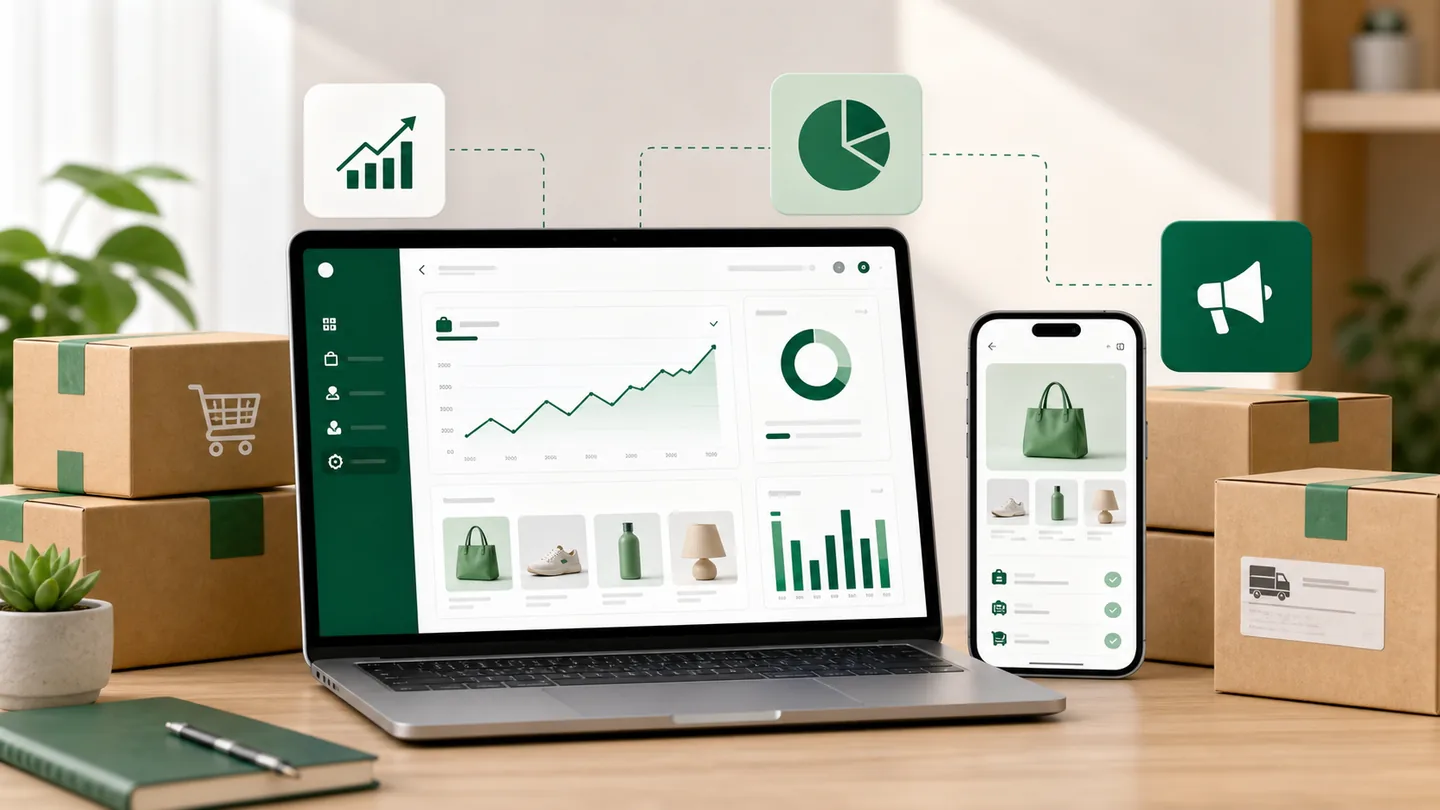
Salla’s help documentation describes reports for sales, products, customers, payments, shipping, and loyalty. Use those reports to answer operating questions: Which items generate profit rather than revenue? Which acquisition sources produce completed orders? Where do shoppers abandon checkout? How does shipping cost compare with average order value?
How to create a Salla store step by step
- Define the product and buyer: state the problem you solve, the target customer, expected margin, and cost of acquisition.
- Create the account and store: use accurate business details, choose a memorable name, and complete the verification required for your activity.
- Choose a theme and identity: keep navigation simple, typography readable, and actions obvious on mobile.
- Add products: use original images and specific titles; explain benefits, sizes, materials, warranty, and delivery expectations.
- Write store policies: publish clear shipping, exchange, return, privacy, and contact information.
- Enable payments and shipping: compare costs and coverage, then complete an end-to-end test order.
- Connect measurement: configure appropriate analytics and verify completed-purchase tracking rather than counting clicks alone.
- Launch gradually: start with a focused catalog, learn from questions and errors, and improve the journey before scaling.
Is Salla free, and how should you choose a plan?
Salla allows merchants to start for free, while some advanced capabilities require paid plans, apps, or services. Pricing and plan inclusions can change, so check the official pricing page when deciding. Compare total cost, not the subscription alone: payment fees, themes, apps, shipping, photography, advertising, and operational time can be more significant.
Benefits and limitations
| Benefits | Limitations or review points |
|---|---|
| Arabic-first interface and strong GCC market fit | Deep customization is less open than a custom or open-source stack |
| Payments, shipping, and orders in one ecosystem | Some needs require an additional plan or app |
| Faster launch than building from scratch | Dependence on a hosted platform and its policies |
| Expandable reporting and integrations | Total cost must include more than subscription price |
Salla registration link and code
Campaign code F-0EDEYAZW is available through this Salla registration link. No discount percentage is disclosed, so we describe it only as a special discount. Check the result and terms displayed by Salla before completing registration, or visit our Salla offers and coupon page.
Frequently asked questions about Salla
Do I need coding experience to create a Salla store?
No coding is required for a standard setup, product listing, and supported connections. A designer or developer may still be useful for advanced customization or a bespoke integration.
Can Salla sell digital products and services?
Yes. Salla describes support for models including ebooks, courses, gift cards, services, and bookings. Confirm which plan or app your particular delivery workflow requires.
Does Salla guarantee Google rankings?
No platform can guarantee a specific organic position. Salla provides useful SEO controls, but results depend on content quality, technical structure, competition, links, user experience, and consistent improvement.
What should I test before launch?
Complete a mobile test order and verify payment, confirmation messages, inventory, shipping labels, cancellation, and returns. Make sure customer-support staff know the correct response when a step fails.
Final verdict
Salla is a practical option for merchants who want a Saudi- and GCC-ready online store without managing hosting and development from scratch. The best choice is based on requirements rather than popularity: document your workflow, test checkout, calculate total cost, and compare customization, integrations, and support. Start focused, learn from customer behavior, and invest only in tools that solve a real bottleneck.
Official sources: Salla, Official Information About Salla, and Store Reports documentation. Information reviewed August 9, 2026.